What we buy, and the condition it can be in.
Refresh Surplus buys surplus food, drink and FMCG. Nine categories, from ambient grocery to bulk ingredients, in whatever state the date codes and the packaging have ended up in. Send a stock list and we aim to come back with a written offer within 24 hours, with collection arranged across the UK, Ireland and Europe.
- Single pallet to full lorry
- Written offer within 24 hours
- UK · Ireland · Europe
One desk,
nine categories.
Refresh Surplus buys surplus stock. That is the whole model: we take the load off your hands, pay for it, and move it out through a trade buyer network across the UK, Ireland and mainland Europe. Nothing on this page is stock for sale. It is the list of what we will price if you send it to us.
The nine categories below are the ones the desk buys week in, week out, and the examples under each one are there so you can place your own stock quickly. If your line is not listed, ask anyway. The categories describe where our buyers sit, not a rule about what we are willing to look at.
Condition is a separate question to category, and it is usually the one sellers worry about first. Short-dated, best-before-passed, end-of-line, overstocked, or a pack change that orphaned perfectly good product: all of it is normal here and priced accordingly. The two things we cannot take are food past its use-by date and stock with no traceability behind it.
The nine categories on the desk.
Food and drink are the core, and most palletised FMCG and overstock gets looked at. Each entry says what qualifies, what the date codes usually look like and what to put on the list.
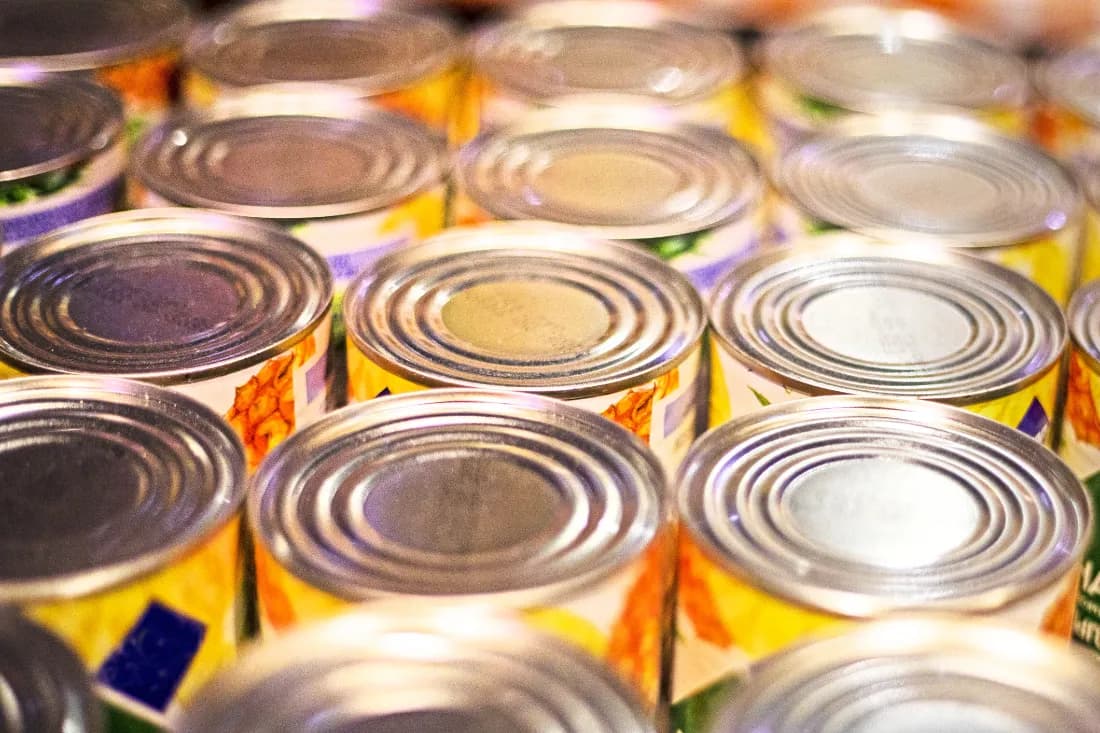
Food & Groceries
- Ambient grocery
- Tinned goods
- Pasta & sauces
- World foods
Ambient grocery is the deepest stream on the desk: tins, jars, dry goods, pasta and sauces, baking, condiments and world foods. In date, short-dated or best-before-passed all work here, because best before marks quality rather than safety on ambient food. Use by is the hard line and we never trade past it. Scuffed or split outers are fine as long as the inner packs are sound.
- Typical formats
- Trade outers, part-broken pallets, mixed grocery pallets, full lorry loads
- On your list
- Product name, case count, best-before dates, and why the stock went surplus
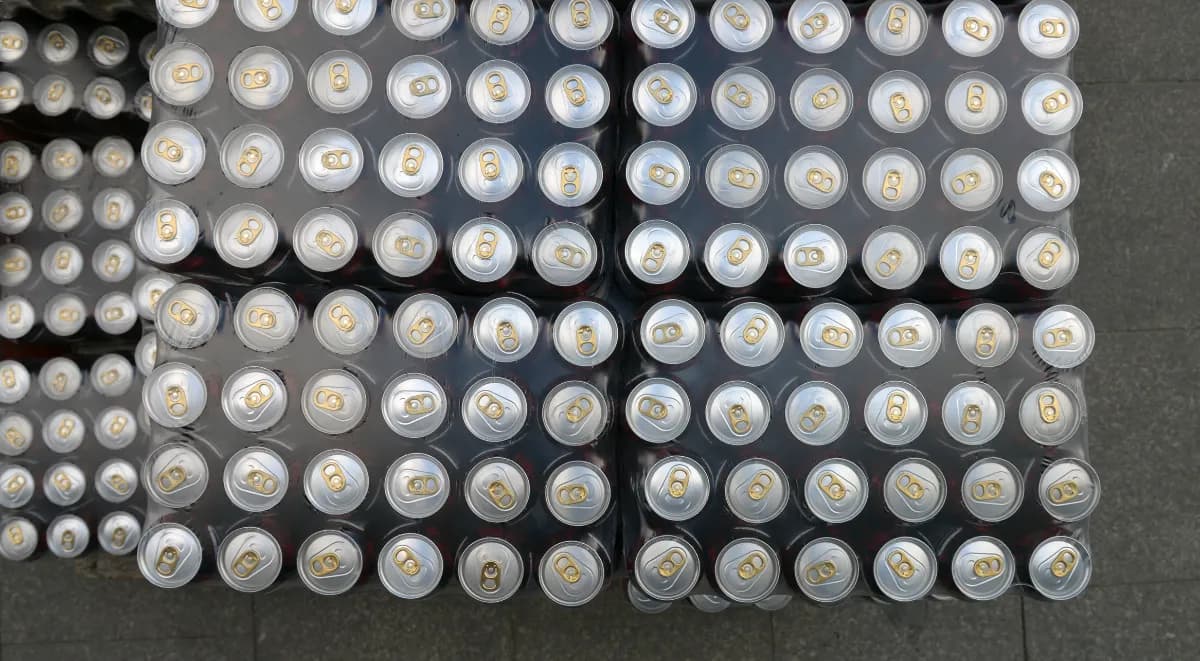
Drinks & Beverages
- Soft drinks
- Water & juice
- Energy drinks
- Mixers & cordials
Soft drinks, water, juice, energy lines, mixers and cordials. No alcohol: the desk does not trade it at all, so those lines can come off the list before you send it. Drinks are heavy and take up room, which makes a tightening date code urgent rather than awkward. Price-marked packs are welcome and worth flagging, because the print on the pack decides which buyers can take a load.
- Typical formats
- Shrink-wrapped multipacks, trays, loose singles, price-marked and plain packs
- On your list
- Pack format, whether packs are price-marked, case count, and the date position
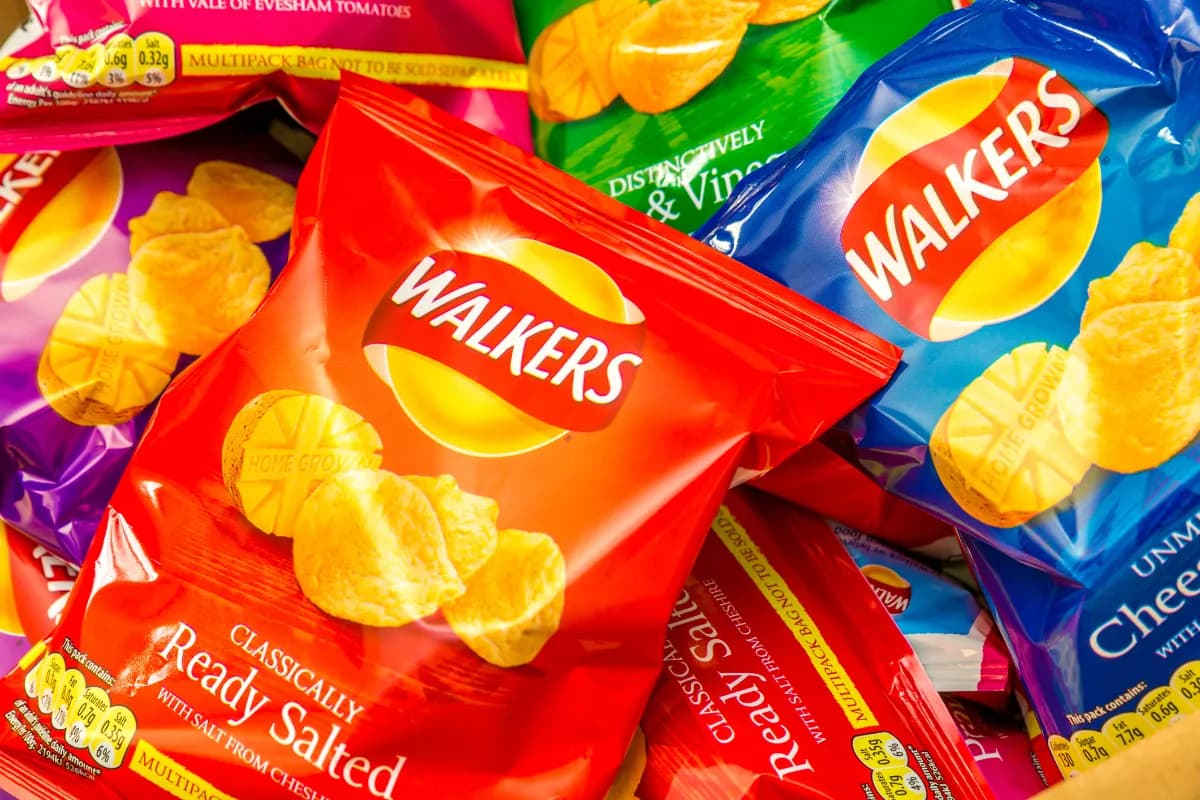
Confectionery & Snacks
- Chocolate
- Sweets
- Crisps & snacks
- Seasonal lines
Chocolate, sweets, biscuits, crisps, savoury snacks and gifting lines. Post-seasonal stock is a speciality rather than a problem: Easter, Christmas and promotional packs move through the value channel all year, so artwork that has missed its window is not a reason to write a pallet off. Chocolate is the one temperature-sensitive line here, so tell us how it has been stored.
- Typical formats
- Trade outers, counter units, seasonal gift packs, mixed snacking pallets
- On your list
- Line description, storage conditions, date codes, and any seasonal artwork
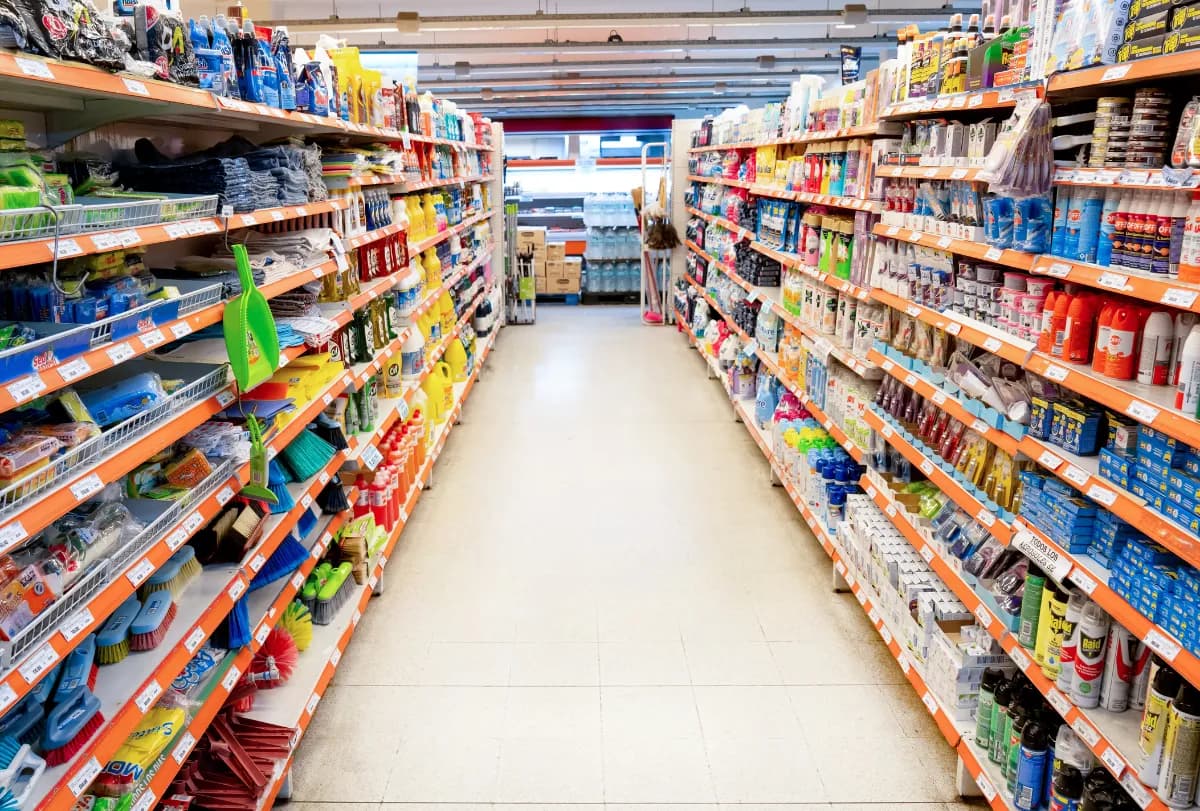
Household & Cleaning
- Laundry
- Surface cleaners
- Dishwash
- Air care
Laundry, surface cleaners, dishwash, air care and everyday household consumables. Date pressure is light in this category, so stock usually becomes surplus for a commercial reason instead: a pack change, a delist, or a promotion that ended with pallets left over. Anything carrying a hazard label needs its safety data sheet up front so the paperwork travels with the load.
- Typical formats
- Trade outers, shrink-wrapped multipacks, mixed household pallets, full loads
- On your list
- Line description, case count, pack size, and any hazard classification
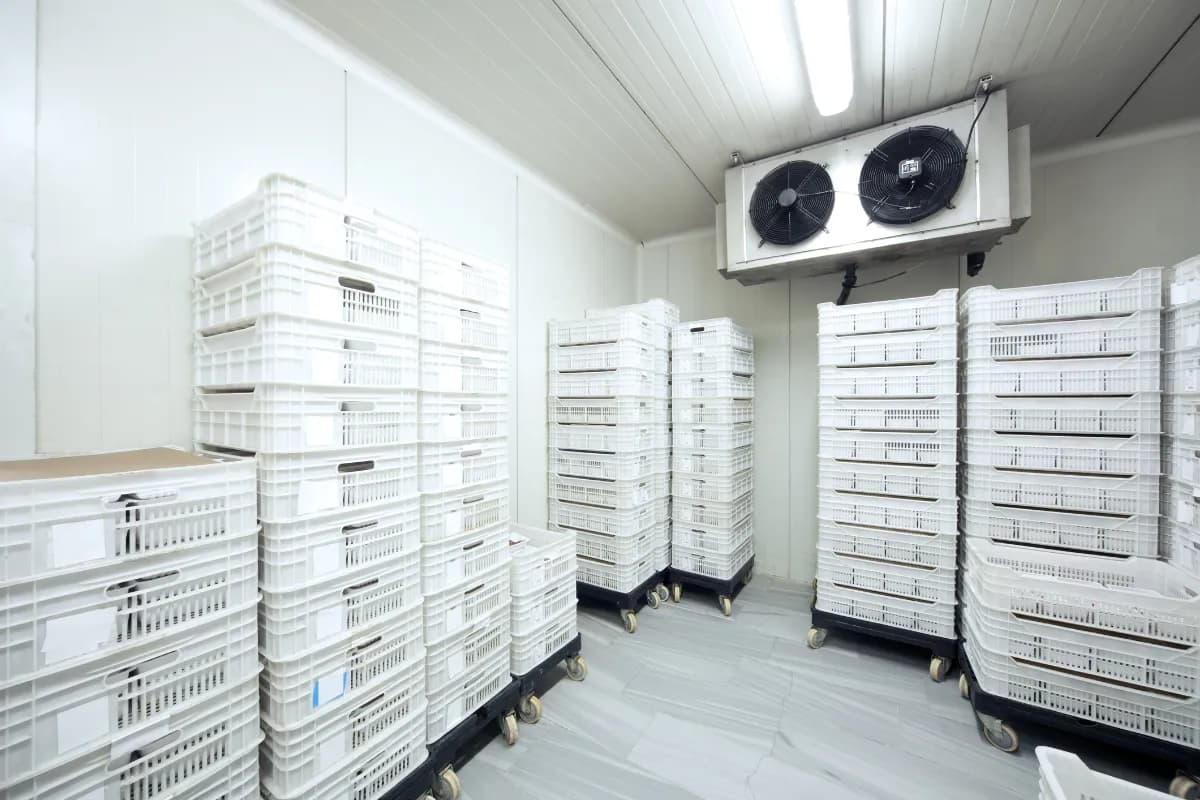
Chilled & Frozen
- Dairy
- Ready meals
- Meat & poultry
- Frozen veg
Dairy, ready meals, meat and poultry, and frozen vegetables. This is the one stream where the clock is the whole conversation: chilled lines run on use by, use by is a hard stop we never trade past, and a tight window means a faster answer rather than a slower one. Frozen buys you room to work with. Cold-chain records and the current storage temperature need to be on the list from the start.
- Typical formats
- Palletised cases, frozen full loads, chilled part-loads on short windows
- On your list
- Use-by dates, storage temperature, cold-chain records, and the collection window

Health & Beauty
- Haircare
- Skincare
- Oral care
- Personal care
Haircare, skincare, oral care and personal care. Little date pressure and steady demand across export markets, so this stream is usually about packaging: a rebrand, a language variant, a discontinued size, or a promotional bundle that never shipped. Batch codes matter more than best-before dates here, and stock with tired outers but sound units is still worth pricing.
- Typical formats
- Trade cartons, gift sets, promotional bundles, mixed health and beauty pallets
- On your list
- Brand, variant, batch codes, unit and case counts, and packaging condition
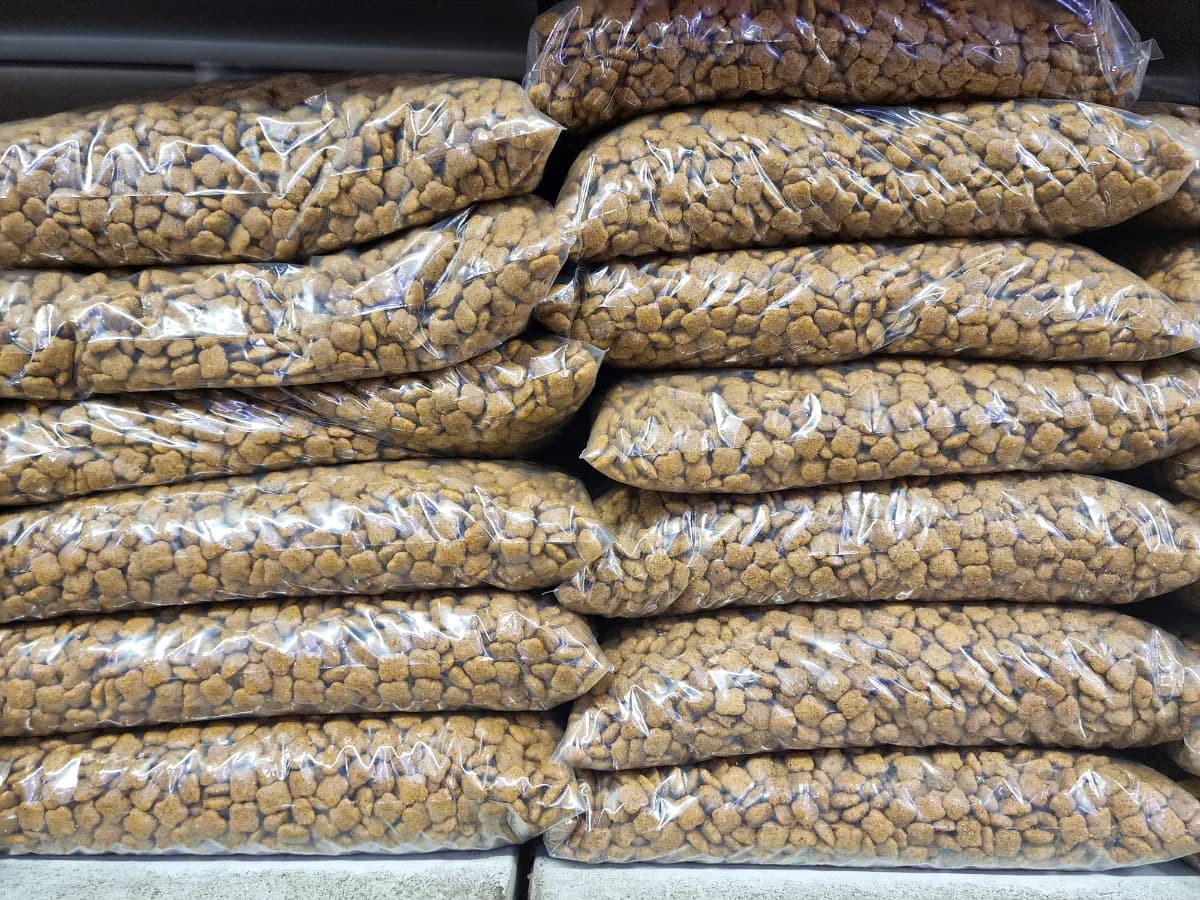
Pet Care
- Dry & wet pet food
- Treats
- Litter
- Accessories
Dry and wet pet food, treats, litter and accessories. Sacks and trays are heavy and eat floor space, which is usually why the call comes. Ambient pet food carries best-before dates and stays saleable past them in the value channel, so a passed code is a price conversation rather than a disposal one. Split sacks are the exception, so tell us how many there are.
- Typical formats
- Sacks, trays, shrink-wrapped multipacks, mixed pet pallets
- On your list
- Line description, sack or case weight, date codes, and any split packaging
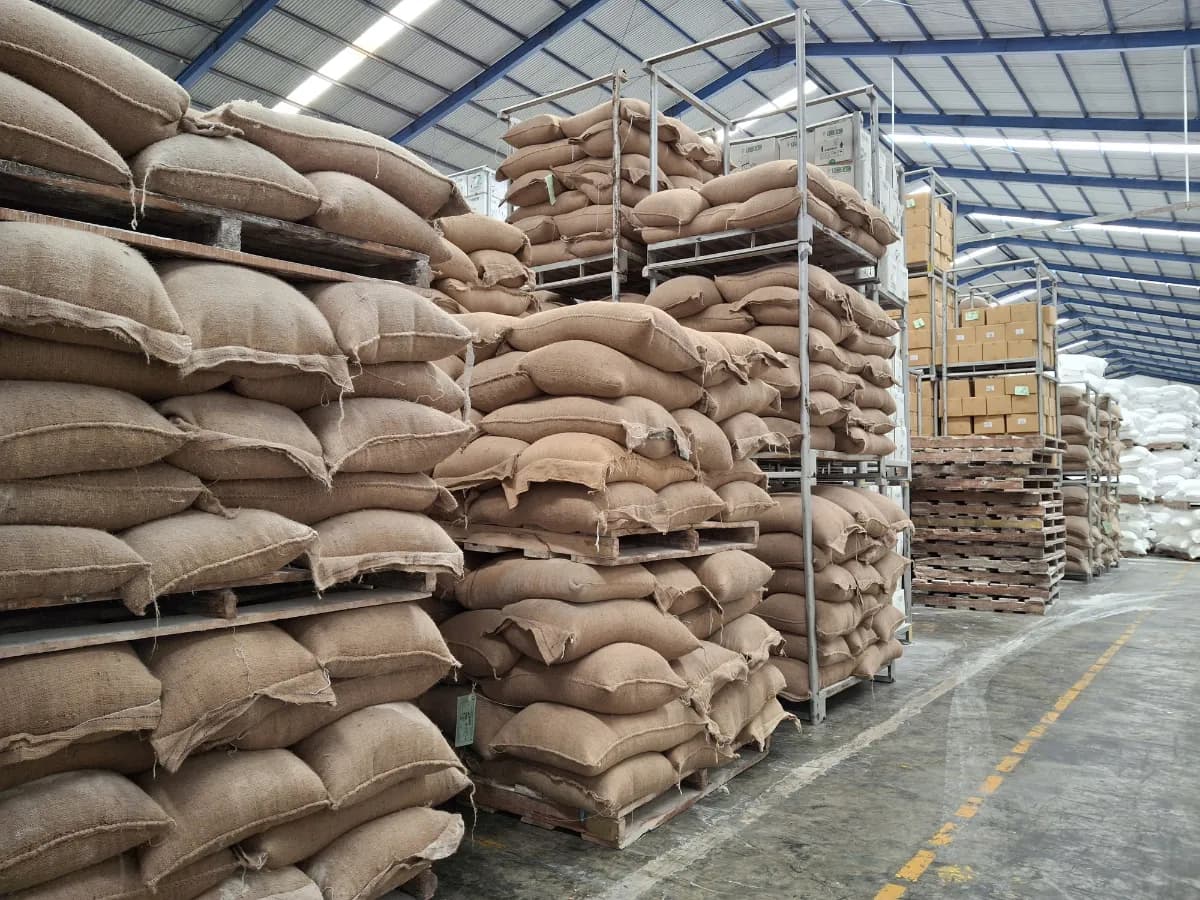
Ingredients
- Flour & baking
- Egg powder
- Oils & fats
- Sugars & starches
Bulk dry ingredients: flour and baking, egg powder, oils and fats, sugars and starches. This is industrial stock rather than retail, so the buyer is a manufacturer or a processor and the questions are different: batch number, specification, allergen declaration, and how it has been stored. Printed codes on the sack, tub or drum need to be readable, because a batch with no paperwork behind it is a batch nobody can take.
- Typical formats
- Sacks, tubs, drums, full pallet lots
- On your list
- Specification, batch numbers, allergen information, and storage history

Mixed Overstock
- Mixed pallets
- End-of-line cases
- Lorry loads
- Out-of-date-code
The catch-all, and the one sellers ask about most: mixed pallets, end-of-line cases, stock that is already out of date code, and whole warehouse exits. A pallet with six categories on it is normal here and does not need sorting before you send the list. What it does need is a manifest, even a rough one, so we know what is under the wrap before we price it.
- Typical formats
- Mixed pallets, part-loads, full lorry loads, complete warehouse clearances
- On your list
- A rough manifest, pallet count, where the stock sits, and your target date
Buying rather than selling? The buyer side of the desk lists the same categories, priced by the pallet. Browse current categories
The state stock
can be in.
Category tells us who buys it. Condition tells us how fast it has to move. These are the six situations the desk prices every week, and none of them is a problem to declare.
Short-dated
Stock inside its date but too close to it for mainstream retail's buying window. The value channel runs on exactly this, so a tightening code is a reason to send the list today rather than next month.
Best-before-passed
Best before marks quality, not safety, so ambient food, drinks, household and health and beauty lines stay legal to sell past it. We price them openly, with the original date declared to the buyer.
End-of-line and delisted
Ranges that lost their listing, packs that lost their promotion, and final runs of a line that has been replaced. Perfectly good product with nowhere left to go in its original channel.
Excess and overstock
Forecasts that overshot, cancelled orders, and seasonal volume that never sold through. Stock that costs you storage every week it sits, in quantities that fill a lorry rather than a shelf.
Packaging and pack changes
A rebrand, a recipe claim, a language variant or a size change that orphaned good stock in old artwork. The product is unchanged; only the box stopped matching the plan.
Warehouse exits and clearances
Site moves, range resets, insolvency, and one-off clearances where the building has to be empty by a date. Single pallet up to several full loads, priced as one lot.
What to put on the list.
The offer is only as fast as the list it is priced from. Six things get us to a number without a round of questions.
- Product description, brand and pack size
- Quantity by case, pallet or load
- Best-before or use-by dates, plus batch codes where you have them
- Where the stock is sitting, and how it is stored
- Any price you already have in mind
- A photograph of the pallet label, if that is quicker than typing it out
A spreadsheet, a photo of a pallet label or a plain email all work, and the stock-list form takes a file upload if you already have a manifest. If half of this is missing, send it anyway and we will come back with the gaps.
Why the stock
went surplus.
Category is one half of the picture and the situation is the other. Each of these has its own page, with the economics and the paperwork that go with it.
Short-dated stock
We buy short-dated food and drink stock UK-wide: a written offer we aim to return in 24 hours, collection inside the week, paid on pickup.
How it works →Surplus FMCG
Specialist surplus FMCG buyers covering the whole supermarket basket: food, drink, health & beauty, household, pet. Written offer we aim to send in 24h.
How it works →Best-before-expired
Best-before-expired and OOD stock is legal to sell in the UK and we buy it: ambient food, drink and FMCG past BBE. Written offer we aim to return in 24 hours.
How it works →Clearance lines
Clearance food and drink bought outright, not listed on a marketplace. End-of-line, post-promo and delisted stock cleared in one written offer, UK-wide.
How it works →Excess & overstock
Liquidate excess food and FMCG inventory with a UK desk, not a US blog. Written offer we aim to return in 24 hours, collection and cash inside the week.
How it works →Liquidation & insolvency
Liquidation and insolvency stock buyers for food, drink and FMCG. Written valuations administrators can file, site clearance in days, funds before goods move.
How it works →Nine categories.
One stock list.
Nine categories of surplus food, drink and FMCG, and the conditions we buy in: short-dated to best-before-passed. Send a list, we aim to reply in 24 hours.