Bulk surplus ingredients, sold on the specification.
Flour and baking, egg powder, oils and fats, sugars and starches in bulk formats, surplus from production planning rather than retail churn. The one stream written for manufacturers: no shelf, no artwork, just material, paperwork and a price that improves a batch cost.
- Batch numbers & specifications
- Sacks, tubs & drums
- Priced for production, not retail
Industrial surplus, documented like it matters.
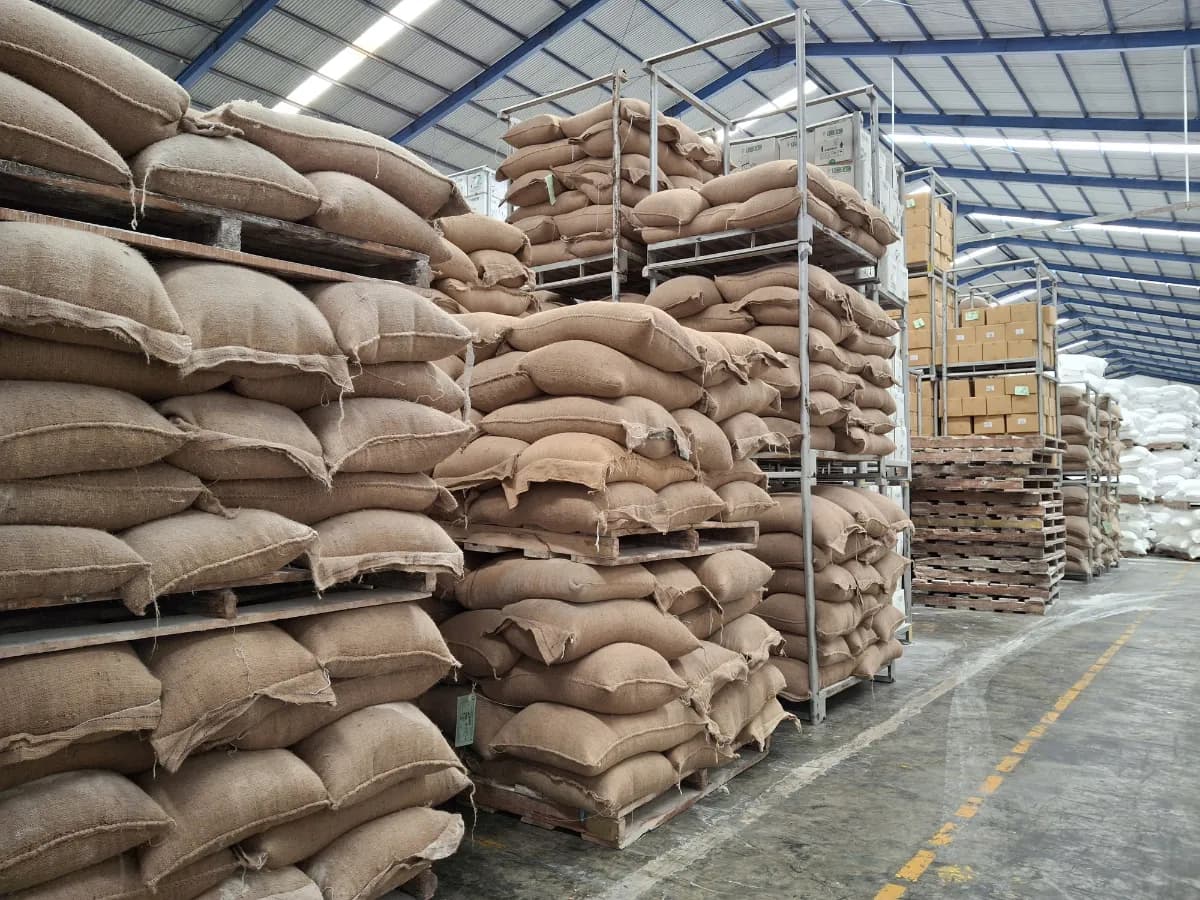
Ingredients go surplus upstream of the shelf: a production run cancelled after the raw materials arrived, a reformulation that orphaned a warehouse of sound inputs, an over-purchase against a contract that ended. The result is bulk material in trade formats, sacks, tubs and drums, that a manufacturer somewhere is short of at full price.
This stream reads differently because the buyer is different. Nobody merchandises a sack of flour: what a production buyer needs is the specification, the batch numbers, the allergen declaration and the storage history, and that is what an ingredients manifest leads with. Certificates of analysis travel with the load where the seller holds them.
The price works the same way as everywhere else on the desk, 40 to 70% below wholesale, but the sums land differently at production scale: a pallet of surplus flour or oils moves a batch cost, not a shelf margin. Formats are stated per line because they decide who can physically receive the material, and best-before-passed lots trade where the buyer's own residual-life specification allows it.
What lands in ingredients
Bulk dry and liquid inputs, specification stated:
Flour & baking
Flours, baking mixes and raising agents in trade sacks, from cancelled runs and over-purchases.
Egg powder
Whole egg, albumen and yolk powders, long-coded and dense with value per pallet.
Oils & fats
Cooking oils, speciality oils and fats in drums and tubs, where a clearance price moves a whole batch cost.
Sugars & starches
Granulated sugars, syrups, starches and glucose in sacks and tubs, the calmest codes in the stream.
Single-ingredient depth lots
Full-pallet and multi-pallet lots of one material, suited to a production schedule rather than a shelf.
Best-before-passed materials
Sound lots past their printed code with paperwork intact, priced for buyers whose own specification can take them.
Who buys surplus ingredients
Buyers with intake doors rather than tills:
Food & drink manufacturers
Production buyers taking surplus inputs against their own specification, at prices that move the batch cost.
Bakeries & bakery groups
Flour, fats and sugars at clearance prices, in the trade formats the bakehouse already runs on.
Co-packers & contract manufacturers
Operators with flexible specifications and the intake to receive bulk formats at short notice.
Ingredient distributors
Trade distributors adding surplus lots to their own lists, bought on the documents.
Food-service production
Central production units and large kitchens buying staples in catering and bulk formats.
Exporters
Traders moving bulk materials to processors abroad, export documentation handled.
Buying ingredients in three steps
Same desk, different paperwork.
State your specification.
Materials, formats your intake can receive, and the specification you work to: allergen limits, residual-life minimums, documentation requirements.
Documents first, price second.
Every offer leads with the specification, batch numbers, allergen declaration and storage history, with certificates of analysis where held.
Palletised bulk, tracked.
Sacks, tubs and drums palletised and tracked to your intake across the UK, Ireland and Europe, typically dispatched within 48 hours.
Asked about
this category.
The practical questions buyers in this sector send before their first order, answered straight.
What documentation comes with an ingredients lot?
The specification, batch numbers, allergen declaration and storage history as standard, with certificates of analysis where the seller holds them. It's stated in the offer before you commit, because a batch without paperwork is a batch no production buyer can take, and the desk doesn't offer those.
Do you sell part-used or open containers?
No. Sealed, original trade packaging only: sacks, tubs and drums as the manufacturer filled them, with the printed codes readable. Anything opened has no place in a production chain and doesn't reach the list.
Can I buy material past its best-before date?
Where your own specification allows it, yes. Many dry ingredients hold their function well past the printed code, and buyers with a residual-life policy that covers it take passed-code lots at the sharpest prices on the stream. The original code and storage history are stated, and the decision stays with your technical team.
What formats do lots arrive in?
Trade formats throughout: sacks, tubs, drums and palletised lots, exactly as the manufacturer filled them. The format is stated per line because it decides what your intake needs to receive it: a bakery takes sacks all day, drums want the right handling at the door.
How is provenance evidenced for material I'll manufacture with?
Chain of custody from the releasing manufacturer or processor, batch numbers matching the paperwork, and storage history for the time it sat as surplus. Your technical and audit teams see the documents before the material ships, not after it's in your store.
What are the minimum quantities?
A pallet of one material as a rule; depth lots run to multiple pallets and full loads. Ingredients rarely suit mixed pallets, so lots stay single-material with the paperwork to match.
Is this a supply agreement or a one-off?
Clearance, honestly priced as such. Streams recur, and a standing remit sees them early, but no lot is a contracted supply line and the desk won't dress it up as one. Most production buyers treat the list as opportunistic cover beside their contracted supply.
How is storage history declared?
As part of the offer: where the material has been held, for how long, and in what conditions, alongside the batch numbers it applies to. If a lot has moved sites, the manifest says so. Ambient dry storage is the norm in this stream, and anything outside it is flagged.
Get on the list before
the next load lands.
Buy bulk surplus ingredients: flour, egg powder, oils and fats, sugars and starches in sacks, tubs and drums, batch numbers and specifications documented.