How to Liquidate Excess Food & Drink Inventory in the UK
- Selling surplus
- Operations
- Guides
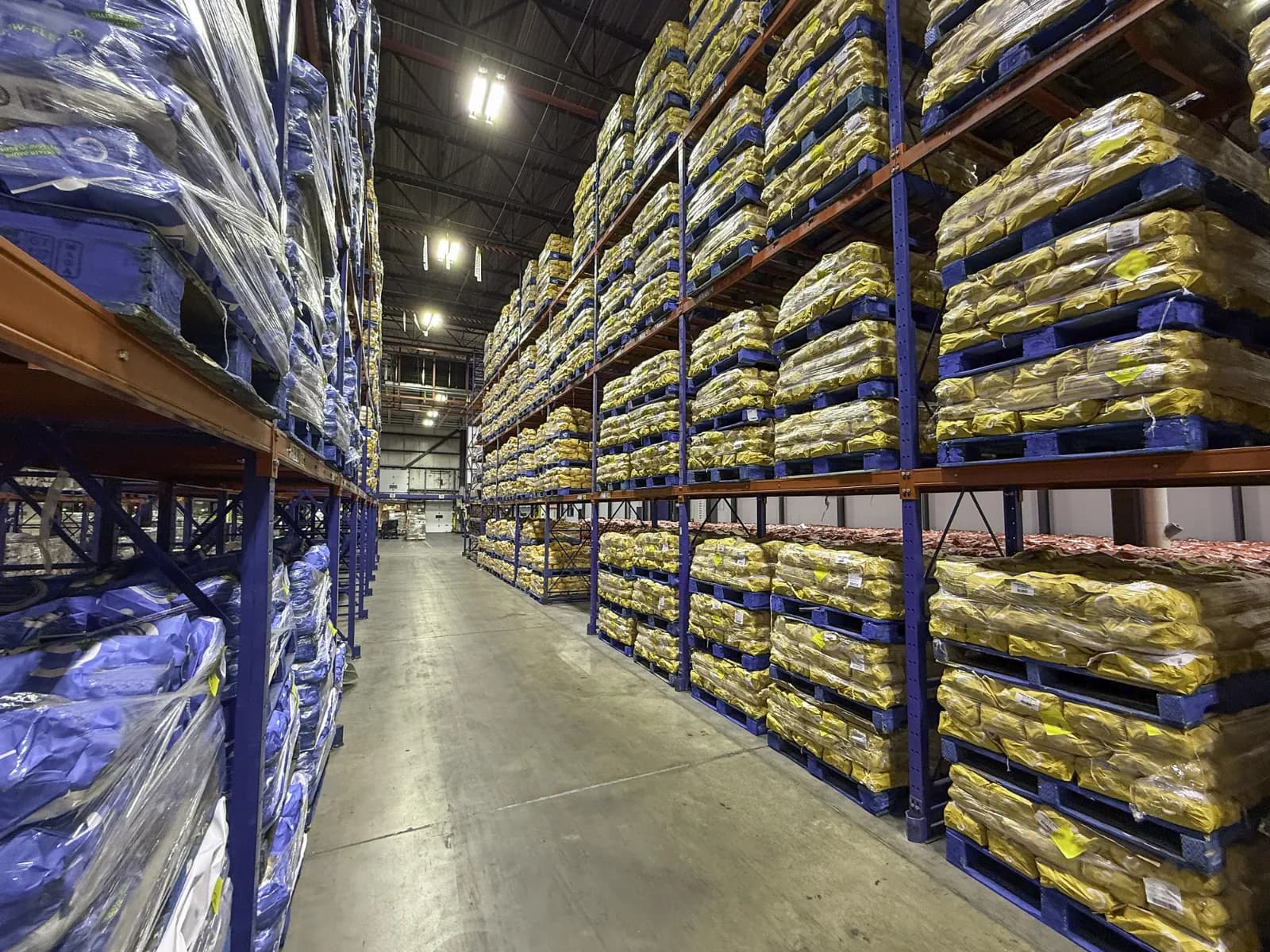
Excess inventory is one of the few business problems that gets strictly worse by being ignored: dates shorten, storage bills recur and attention drifts, and the real cost of holding overstock adds up quietly while the decision waits. Liquidating it (in the commercial sense: turning stock back into cash) is a process with five steps, and most of the value is won or lost in the first two. Here is the UK playbook.
Step 1: build the manifest before you talk to anyone
Every credible buyer prices from the same inputs, so assemble them once, properly:
- Line level detail: SKU, description, pack format, units per case, cases per pallet.
- Quantities by line, with pallet counts.
- Date codes per line, stating best-before vs use-by explicitly (what UK law allows past each date type decides which buyers can take the line at all).
- Condition and storage: ambient, chilled or frozen; any damage; temperature records where relevant.
- Location and access: site postcode, loading capability, any collection constraints.
A clean manifest does two things: it makes offers comparable, and it makes them higher. Buyers price uncertainty down; every blank cell is a discount you volunteered.
Step 2: decide what "good" looks like before the offers arrive
Liquidations go wrong when the goal is fuzzy. Pick the constraint that rules the others:
- Cash by a date (quarter-end, lease-end, covenant review): speed and certainty dominate; whole-lot offers win.
- Maximum recovery, no deadline: you can afford to test multiple routes, including auctioning a hero line while a broker prices the balance.
- Channel protection: if the same SKUs are still selling at full price, the liquidation must be invisible to your market, which rules out public listings entirely.
Write the constraint down. It is the tiebreaker for every later decision.
Step 3: choose the route (and price the routes honestly)
The realistic UK options, in brief, with every route for selling surplus food stock in the UK compared in full elsewhere:
- Specialist broker, whole-lot sale. One written offer for everything, collection within days, payment terms agreed per deal, channel-controlled resale. This is our model: excess and overstock liquidation, and we aim to return that offer within 24 hours.
- Marketplace or auction, lot by lot. Possible upside on strong lots, fees and weeks of cycle time on all of them, residue risk on the weak ones.
- Direct to discounters/wholesalers. Strong prices when relationships exist; cherry-picking and weeks of admin when they don't.
- Donation for a slice of the stock, which buys goodwill and waste-hierarchy credit but no cash.
Compare totals, not headline rates: the auction's gross minus fees, minus the unsold tail's eventual disposal, minus a month of someone's time, against the broker's certain all-in number this week.
Step 4: run the logistics like a delivery, not an afterthought
Food and drink liquidations fail at the dock more often than at the desk:
- Sequence by date code. Shortest-dated pallets leave first; chilled and frozen lead the schedule. A buyer who cannot collect this week is the wrong buyer for those lines (short-dated stock has its own tempo).
- Traceability travels with the goods. Batch codes, allergen data and temperature history transfer at hand-over; that paper trail is what makes the resale lawful and your file clean.
- Confirm the money mechanics. Get the payment terms in the written offer before the stock moves. The date you are paid should be set there, not left hanging on the buyer's resale or a 60-day promise.
For insolvency-driven cases (administration, liquidation in the legal sense, creditor pressure), the same mechanics apply with extra requirements: written valuations the practitioner can file, funds cleared before goods move, and site clearance against a court-shaped timetable. That variant is set out for liquidation and insolvency stock buyers, and the evidence an officeholder needs behind a number is covered in the guide to selling stock in an insolvency.
Step 5: close the loop in the accounts
A finished liquidation should leave four documents: the manifest, the written offer, proof of collection and payment, and the traceability hand-over. Together they justify the write-down, evidence the recovery and document the waste-hierarchy outcome (sold for consumption beats feed, which beats energy recovery, which beats disposal, per the UK's statutory hierarchy). If anything in the load could not lawfully be sold, the feed or AD certificates complete the same file.
Then fix the tap as well as the puddle: the businesses that liquidate least have a standing weekly review that catches over-forecast lines while the selling window is still wide. Our decision framework for short-dated stock sets out what to do at each stage of code life, which is the same review run line by line.
The short version
Build a clean manifest, name your constraint, get a whole-lot written offer as your baseline, sequence collections by date, and keep the paper. Excess inventory becomes cash in about a week when the process is run deliberately, and becomes a disposal invoice in about a quarter when it isn't.
If the manifest already exists, the baseline is one form away: get a stock offer and we aim to have the written number back to you within 24 hours.
Frequently asked questions
How quickly can excess food inventory be liquidated in the UK?
Fastest through a specialist buyer. We aim to return a written offer within 24 hours of the stock list and to collect inside the week. Marketplace and piecemeal routes take weeks to months.
Does liquidating inventory mean the business is insolvent?
No. Commercial liquidation just means converting stock to cash, and most sellers are healthy businesses correcting over-production or a cancelled programme. Insolvency-driven sales are a separate process with their own requirements.
What paperwork should a liquidation produce?
A line-level manifest, a written offer, proof of collection and payment, and traceability hand-over. Together they support the write-down in your accounts and keep the disposal defensible in an audit.