Selling OOD and Non-Food FMCG in the UK: What the Rules Really Allow
- FMCG
- Compliance
- Selling surplus
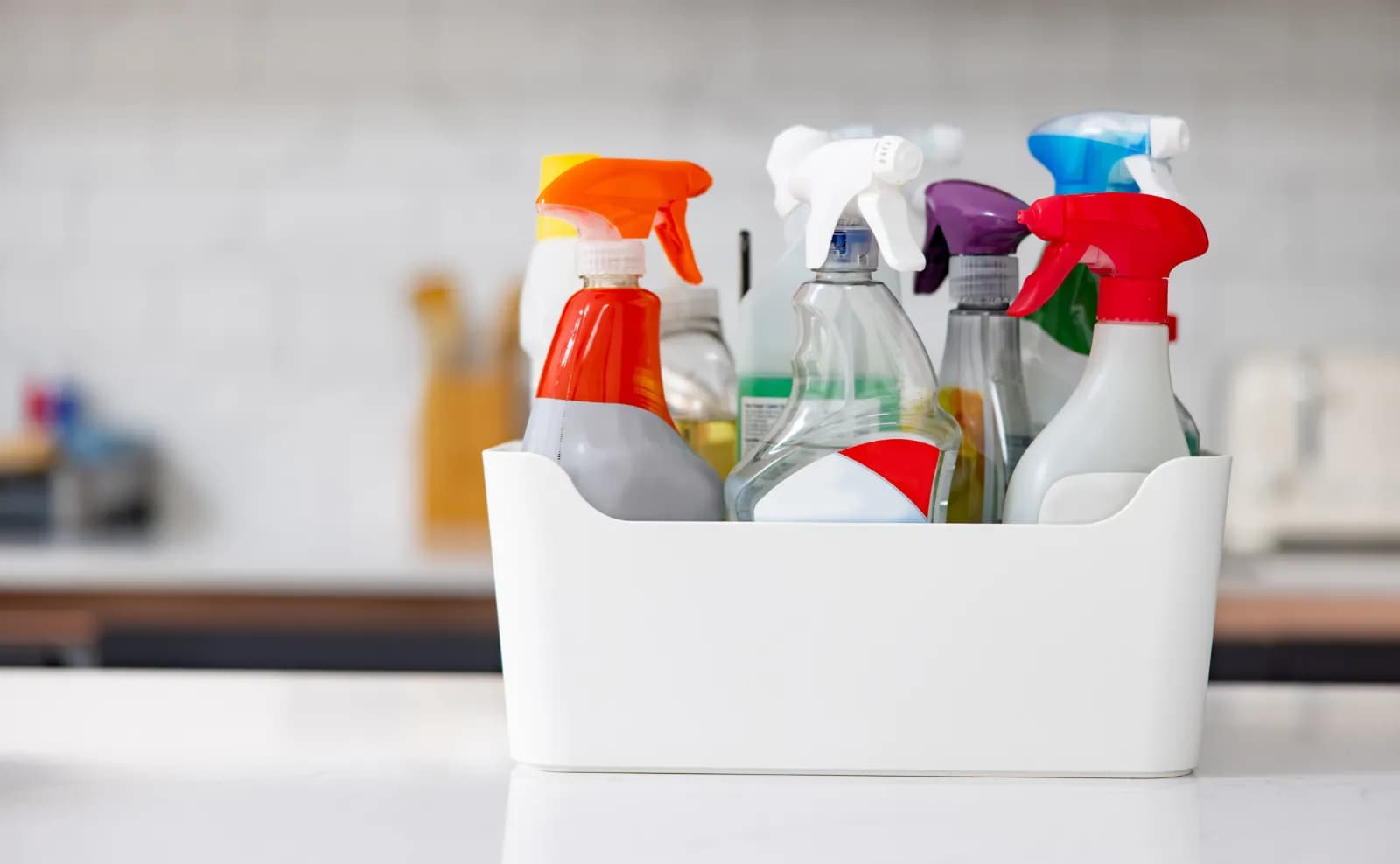
Food gets all the attention in date-label debates, but warehouses hold a second universe of dated stock: laundry liquid, surface cleaner, shampoo, toothpaste, air freshener. When those lines go out of date (OOD in trade shorthand) or get orphaned by a rebrand, businesses often default to the same nervous write-off they apply to yoghurt. For non-food FMCG, that instinct is almost always wrong, and expensive.
What dates on non-food products actually mean
There is no use-by regime for washing-up liquid. The dates printed on most household and personal-care products serve quality assurance and batch traceability, not a legal safety cliff:
- Household and cleaning lines typically carry manufacture or best-before-style dates reflecting formula stability. The chemistry degrades slowly and gracefully; a detergent a year past its printed date washes clothes.
- Cosmetics and toiletries are governed by their own framework: products with a lifespan under 30 months carry a best-used-before date, longer-lived ones a period-after-opening (PAO) symbol, the little open-jar icon. Unopened, correctly stored stock is routinely traded.
- A minority of categories carry real regulatory dates, notably biocidal products (some disinfectants), medicines and certain baby formulas, where the printed date has legal force. These are the exceptions to confirm line by line, not a reason to bin the warehouse.
The practical position: for mainstream non-food FMCG, OOD status affects price and channel, not legality. Condition, seal integrity and storage history matter far more than the printed date.
Why non-food surplus exists at all
If dates rarely force the issue, why is there so much surplus? Churn. Non-food FMCG rebrands and reformulates constantly: new bottle shapes, new fragrances, "improved formula" relaunches, seasonal scent ranges, delisted variants, promotional packs after the promotion. Every one of those events strands compliant, effective product in yesterday's packaging, and none of it can return to the mainstream shelf.
That stranded stock is what the value channel runs on. The household and cleaning clearance market absorbs it by the lorry load precisely because nothing is wrong with it.
The selling routes that work
Sell the load to a specialist FMCG buyer. The fastest, most complete exit: one manifest, one written offer, one collection, payment terms agreed per deal. Our desk buys surplus FMCG outright, non-food included and often non-food only, and aims to price the load within 24 hours, the same target as for grocery. Mixed food and non-food estates clear in a single transaction.
Export. UK and European brand names in household and HABA carry strong demand in overseas value markets, and the absence of food-law friction makes export simpler: label language and ingredient documentation per destination, handled by competent logistics partners. Export pricing often beats domestic on long-dated bulk.
Domestic discount and janitorial trade. Variety chains, discount retail and facilities-management suppliers buy branded cleaning at value prices continuously. Reaching them piecemeal takes relationships; a brokered sale reaches the same demand in one step.
What about disposal? Genuinely unsellable non-food (damaged, leaking, regulatory-dated categories past their date) goes to compliant recycling or recovery, with aerosols and certain chemicals handled under hazardous-goods rules. It is the floor, not the plan; in a typical clearance it applies to a sliver of the load, and we arrange it within the same transaction so nothing is left behind.
The compliance points that actually matter
- Traceability and provenance. Batch codes and a clean chain of custody are what keep branded resale legitimate (and keep grey-market questions away). Provenance paperwork travels with every pallet we move.
- Seal integrity and condition. Unopened and undamaged is the trading standard; document it and price holds. Leakers and crushed cases get triaged out, not hidden mid-pallet.
- The exception categories. Biocides, medicines and similar regulated lines need their dates and licences checked line by line. Flag them on the manifest and the right answer comes back per line.
- Storage history. Frost-damaged liquids and heat-stressed aerosols are condition problems, not date problems. A sentence about where the stock lived is worth money on the offer.
Turning the write-off into a number
The pattern we see repeatedly: a rebrand strands a few hundred pallets of household or HABA lines; finance proposes a write-off because "it's out of date"; and the stock is actually worth a meaningful five-figure sum to the value channel, lawfully, with paperwork. The gap between those two outcomes is one manifest and one written offer.
If dated or rebrand-stranded non-food FMCG is occupying racking you need back, send the list. For the fuller picture of how FMCG surplus trades, the FMCG inventory guide covers scenarios, channels and the compliance checklist in one place.
Frequently asked questions
Is it legal to sell out-of-date cleaning products in the UK?
Generally yes. Dates on most household and cleaning lines are quality or batch conventions rather than legal safety limits, and the products remain effective and sellable long past them. Category-specific rules apply to a minority of lines such as biocides.
Do toiletries and cosmetics have legal expiry dates?
Cosmetics use a period-after-opening symbol or, for short-life products, a best-used-before date. Unopened, correctly stored toiletries trade lawfully in the surplus market with condition documented.
Who buys OOD non-food FMCG?
Discount retailers, variety stores, exporters and janitorial trade buyers. Demand is steady because the product works exactly as well as full-price equivalents; only the packaging or paperwork dates moved on.